
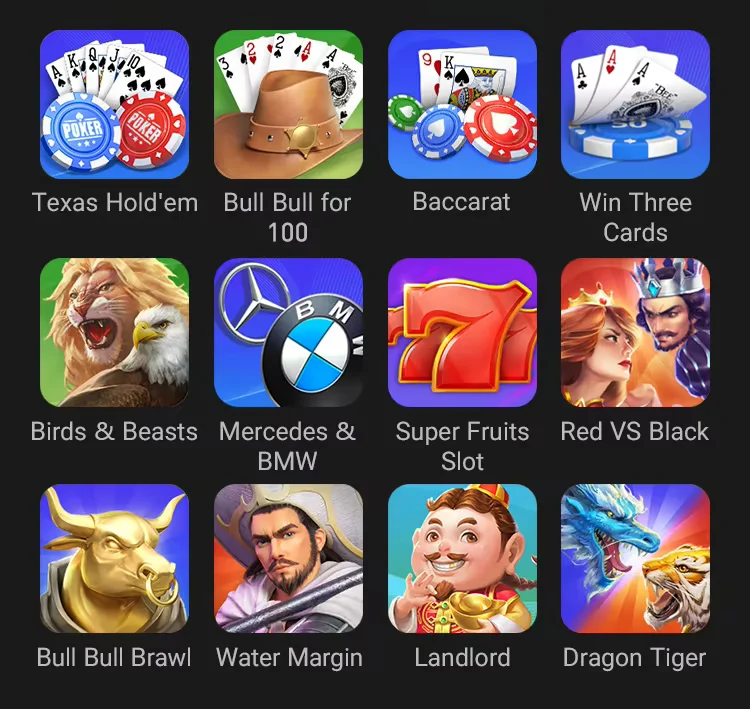
How to Play Skill-Based Games on 30 Game Like a Pro
Not every game on the 30 Game platform is pure luck. Some games actually reward players who pay attention, think before they act, and learn from their mistakes. If you have been jumping in randomly and wondering why your results feel inconsistent, the problem is probably not the game it is the approach.
This guide is for beginners who want to play smarter. You do not need any special gaming background. You just need to understand a few key habits that separate careless players from ones who genuinely improve over time.
First, Understand the Difference Between Luck and Skill Games
Before anything else, you need to identify which games on the platform actually involve skill. This matters more than most new players realise.
- Luck-based games — like spin wheels or random number draws have outcomes you cannot influence. No strategy will change the result. Playing these more carefully does not help.
- Skill-influenced games — like prediction challenges, timing-based taps, memory games, or pattern recognition — do respond to better decisions. These are the ones worth studying.
When you open a game, ask yourself one question: Does what I do actually change the outcome? If the answer is yes, you are in the right place to apply the tips below.
6 Tips to Play Skill-Based Games Better
1. Start by Watching, Not Playing
When you enter a new game for the first time, do not jump straight in. Spend a few rounds just observing. Look at how the game moves, when it speeds up, where mistakes usually happen. Most beginners skip this step and end up learning through unnecessary losses. A minute of observation saves you from avoidable errors.
2. Learn One Game at a Time
The app offers multiple game types, and it is tempting to try all of them quickly. Resist that. Pick one skill-based game and stick with it until you feel genuinely comfortable. Spreading your attention across five games at once means you never get good at any of them. Depth beats variety when your goal is to improve.
3. Play in Short, Focused Sessions
Your concentration naturally drops after 15 to 20 minutes of repeated gameplay. When that happens, the small decisions — timing a tap, reading a pattern, anticipating the next move — start to slip. Short, focused sessions keep your mind sharp. If you feel frustrated or distracted, stop and come back later. Tired gameplay produces poor results.
4. Identify Your Recurring Mistakes
After a few sessions, you will notice patterns in where things go wrong. Maybe you always react too slowly at a certain point. Maybe you second-guess a decision that was right the first time. Pay attention to these patterns. The players who improve fastest are not the ones who play the most — they are the ones who notice what they keep getting wrong and deliberately fix it.
5. Do Not Rush
Skill-based games reward timing and precision over speed. Many beginners play too fast because they feel pressure to act quickly. In most cases, taking an extra half-second to make the right move is far better than reacting instantly and making the wrong one. Slow down slightly and your accuracy will improve noticeably.
6. Keep Distractions Away
This sounds obvious, but it genuinely matters. Playing while watching a video, chatting, or half-paying attention to something else breaks your focus right at the moments the game needs it most. Even five minutes of distraction-free play is more productive than thirty minutes of divided attention.
A Simple Habit to Build Over Time
After each session even a short one take thirty seconds to think about what went well and what did not. You do not need to write it down. Just pause and reflect. This small habit, done consistently, builds a clearer picture of how you are improving and where you still need work. Most players never do this, which is exactly why most players stay at the same level.
Conclusion
Getting better at skill-based games on any online gaming platform comes down to the same few principles: focus on the right games, pay attention to your patterns, and practice with intention rather than just putting in hours. The 30 Game app gives you the environment what you do with it depends entirely on how deliberately you approach it.
Start with one game. Play it carefully. Notice what works. That is genuinely all it takes to improve.